Trulli Houses Italy: the history
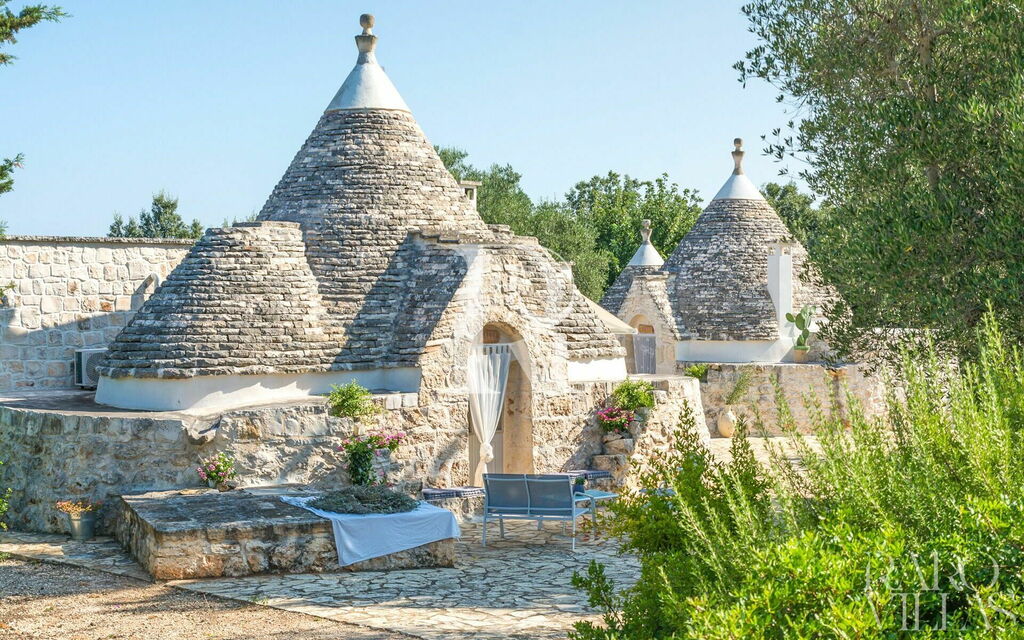
Trulli Pugliesi, the true story
Everyone is crazy about trulli, the ancient and renowned Apulian buildings linked to the agricultural world that today everyone requires as a home in which to spend their holidays in the South.
The origin of trulli is still much debated, some scholars place their birth as early as the fourteenth century (or probably even earlier) but it is undoubtedly in the fifteenth century that they had their maximum expansion. Even their origin travels on handed down tales and different historical facts despite the most accredited thesis remains the one that has always seen them as real agricultural deposits.
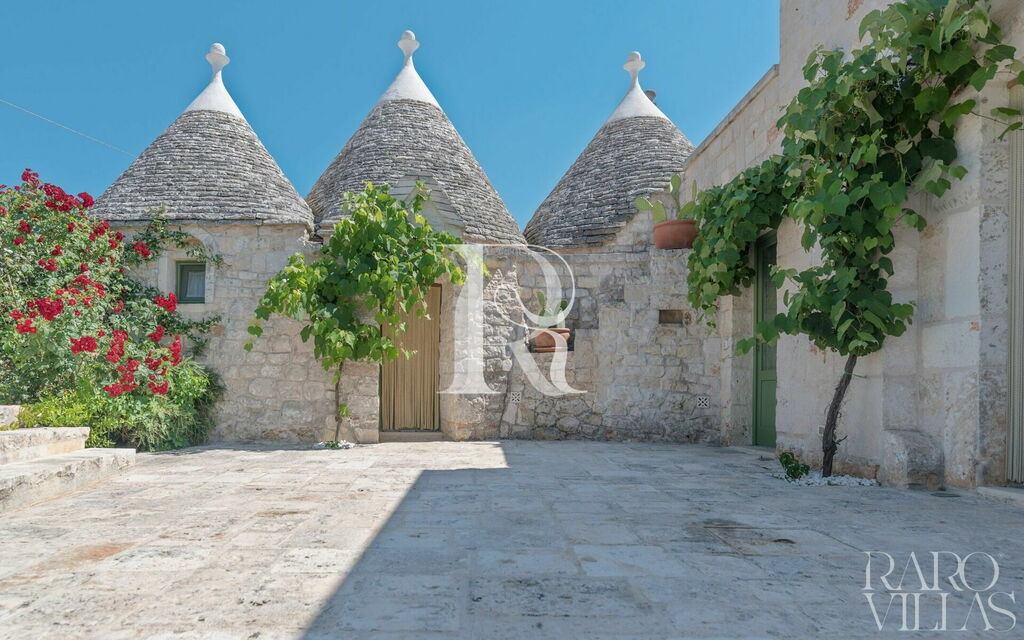
Trulli shape
Beyond their cone shape, their regulated internal temperature (cool in summer and warm in winter), the real curiosity lies in their ingenious dry construction technique. That's right, the trulli are a set of stones stuck together. The cone, in particular, was obtained by placing the stones one on top of the other and narrowing as one went up. Subsequently, always the cone, was covered with limestone slabs, the so-called "chianchette", which were arranged downwards so as to let the rain water slide rather than let it enter. Finally, having reached the tip, a whitewashed stone pinnacle was positioned which could be in the shape of a star, horn or cross and which served precisely as a "protection" and "dispels trouble" for the new construction.
But why this dry technique?
Primarily due to the lack of materials available at the time but some sources also report another version or that, once again, it seems to have been the ingenuity of man to conceive these buildings to respond to an edict of the Kingdom of Naples which imposed important taxes for each new urban settlement. In this way, just at the exact moment in which there was an air of a visit from the king's delegate to collect taxes, it was enough to disassemble the cone to transform the new settlement into a banal accumulation of stones.
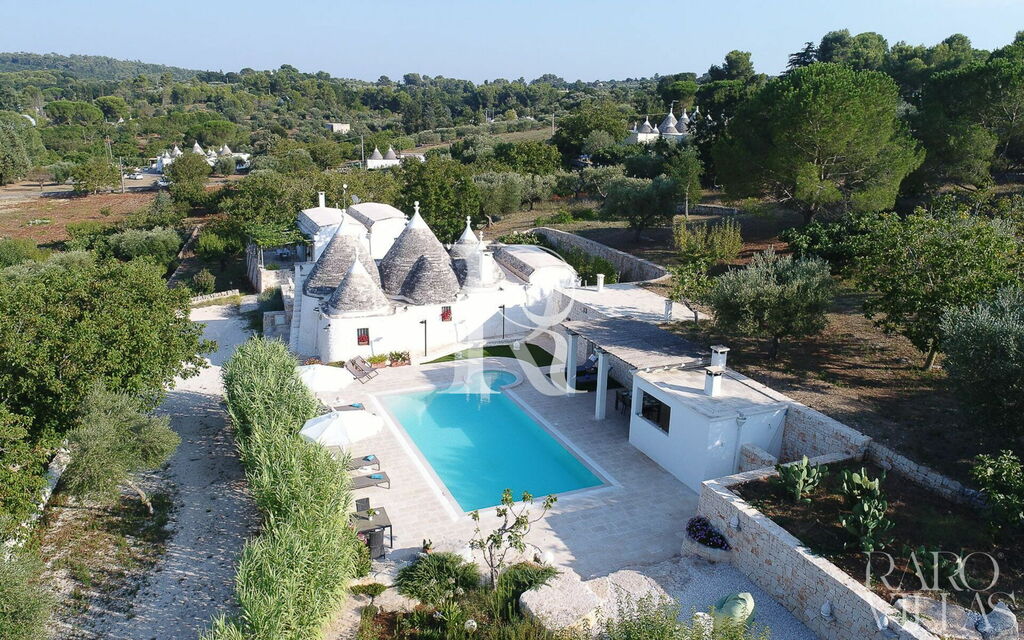
Trulli, Typical Apulian houses
Trulli, a UNESCO World Heritage Site since 1996, stand out among the most characteristic, unique and full of curiosities rural buildings in the world. Even today, they keep the memory and tell the story of a people dedicated to agriculture, breeding and care of their territory. A people who first made them tool sheds or forage storage or, again, for all the other products obtained directly from the land and then luxurious, charming residences.
In short, we can define trulli as timeless constructions, capable of reaching the present day also thanks to the skilled trullari masters who have jealously guarded and handed down the noble art of dry-stone construction from father to son. Artisans who have been able to recover but also build from scratch these very popular and typical houses that still today continue to enchant anyone who passes by this land, even if only in passing.
In the heart of Valle d'Itria, the birthplace of these buildings, there are many who have made them their everyday home today.